TRAVEL NOTES / NO. 030
TUESDAY, SEPTEMBER 15, 2026
Airport · 5 MIN READ166
Get the terminal wrong, and Incheon Airport suddenly feels enormous
Terminal 1 and Terminal 2 are not walking distance apart — one line on your booking confirmation decides how relaxed your departure feels
By Find to Send Editorial
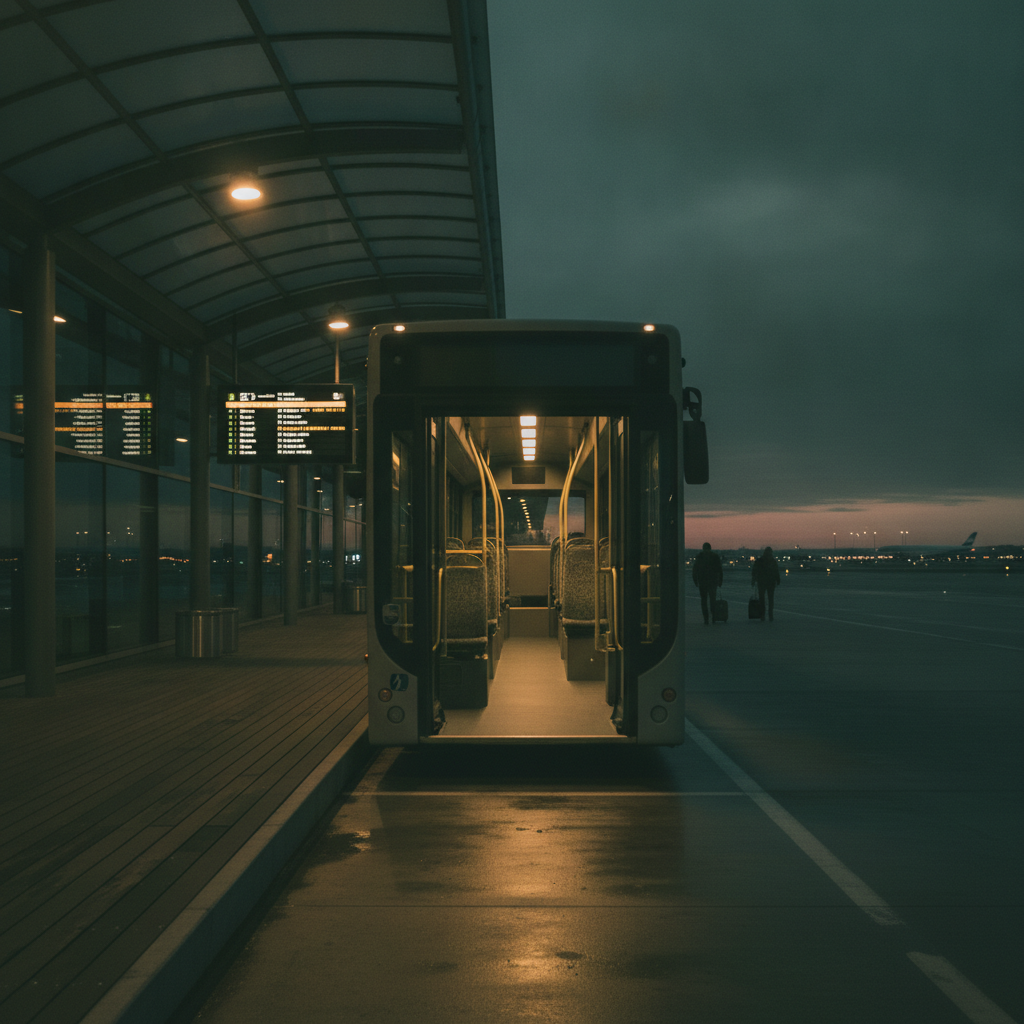
There is no line at the check-in counter. It takes about thirty seconds to register that something is wrong. You glance back at the departure board, double-check the airline name, and only then does the terminal number on the ticket in your hand actually register. You are standing in Terminal 1. Your flight departs from Terminal 2. The clock shows a stretch of time that feels neither comfortable nor truly urgent, and it is exactly that ambiguity that unsettles people the most.
A good number of first-time visitors to Incheon Airport go through this exact moment. The word airport usually conjures one large building, where check-in, security, immigration, and the gate all sit under a single roof in tidy sequence. Incheon Airport does not work that way. Terminal 1 and Terminal 2 are not within walking distance of each other; they are, for practical purposes, two separate airports housed in two separate buildings.
Even the short walk to the information desk is filled with rushing thoughts. Should you take a taxi again, where does the shuttle bus leave from, how long will it actually take. The staff member behind the desk has clearly answered this question several times already today, and points calmly toward the shuttle platform. That single gesture brings a wave of relief, but the quiet while waiting for the bus somehow stretches on. Other travelers around you are gripping their suitcase handles, checking the departure board again and again, the check-in deadline replaying in their heads.
The real problem is not simply that the two buildings are apart. The actual difficulty is that almost no traveler realizes this fact until they are already standing at the airport. When booking a flight, the terminal number appears somewhere on the confirmation in small print, rarely highlighted. Most travelers remember only the departure time and gate, head to the airport, and only discover on arrival that they are standing in front of the wrong building entirely.
What makes this moment particularly disorienting is that it scrambles your sense of time. International departures already call for a comfortable margin, and an unplanned transfer between buildings erases that margin almost instantly. For someone experiencing this for the first time, there is no way to gauge how often the shuttle runs, exactly how many minutes the ride takes, or how far the check-in counters are once you actually reach Terminal 2. The more unknowns stack up, the sharper the anxiety becomes.
There is a clear reason the airport is built this way. As passenger numbers at Incheon steadily grew after opening, the airport needed to expand, and rather than extending the original building, Terminal 2 was built as an entirely independent structure on new land. This lets operations be distributed across airlines rather than crowding every facility into one saturated terminal, keeping passenger flow and processing more manageable at each site. Which airline uses which terminal is decided through the airport authority's overall operational planning and agreements with individual carriers, entirely independent of any individual passenger's circumstances. From a traveler's point of view the split can look arbitrary; from an operator's point of view it is a carefully calculated distribution. And because the shuttle bus is the only way to move between the two buildings, the moment you get the terminal wrong, your options narrow sharply. There is no real taxi or walking alternative once you are already inside.
For that reason, this is a problem best solved immediately after booking, or at the very latest the night before departure, rather than at the airport itself.
- Right after booking, scan through the entire confirmation once for the terminal number. It is usually printed in small text beside the flight number or airport name as Terminal 1 or Terminal 2, and simply screenshotting or noting this one line prevents most later confusion.
- If the confirmation lacks a clear terminal notice, search the flight number on the airline's website or Incheon Airport's official site to verify which terminal is in use. If the two sources disagree, trust the more recently checked one, generally the airport's own information.
- Before leaving for the airport, also confirm which terminal your chosen transport actually stops at. Airport Railroad, limousine buses, and taxis all serve both Terminal 1 and Terminal 2 separately, and boarding transport headed to the wrong one means starting the journey over.
- If you have already arrived at the wrong terminal, do not panic; report the situation immediately to an information desk or airline counter staff member. Movement between the two terminals is by shuttle bus only, and getting the travel time and departure interval directly from staff is faster and more reliable than searching online.
- Once on the shuttle, keep tracking the remaining time, and if it looks like you will miss the check-in deadline, contact your airline in advance or ask for help from airport announcements or staff. This situation is common enough that airport staff generally have a routine for handling it.
In the end, that thirty seconds in front of the departure board, the moment you realize something is wrong, was actually decided long before you reached the airport, the moment you first opened your booking confirmation. The next time you fly through Incheon, it may be enough to glance at one small number on that page before you start running with your ticket in hand.
Getting to or from the airport?
You can request a pickup or drop-off between Incheon or Gimpo airport and Seoul or nearby areas. We confirm the vehicle and price first.
About Airport Transfer