TRAVEL NOTES / NO. 017
TUESDAY, SEPTEMBER 1, 2026
Korea Travel · 5 MIN READ138
When the taxi app won't take your card, don't keep staring at the screen
Foreign-issued cards often bounce on Korean taxi apps — checking whether on-the-spot payment works is usually faster than fighting the registration screen
By Find to Send Editorial
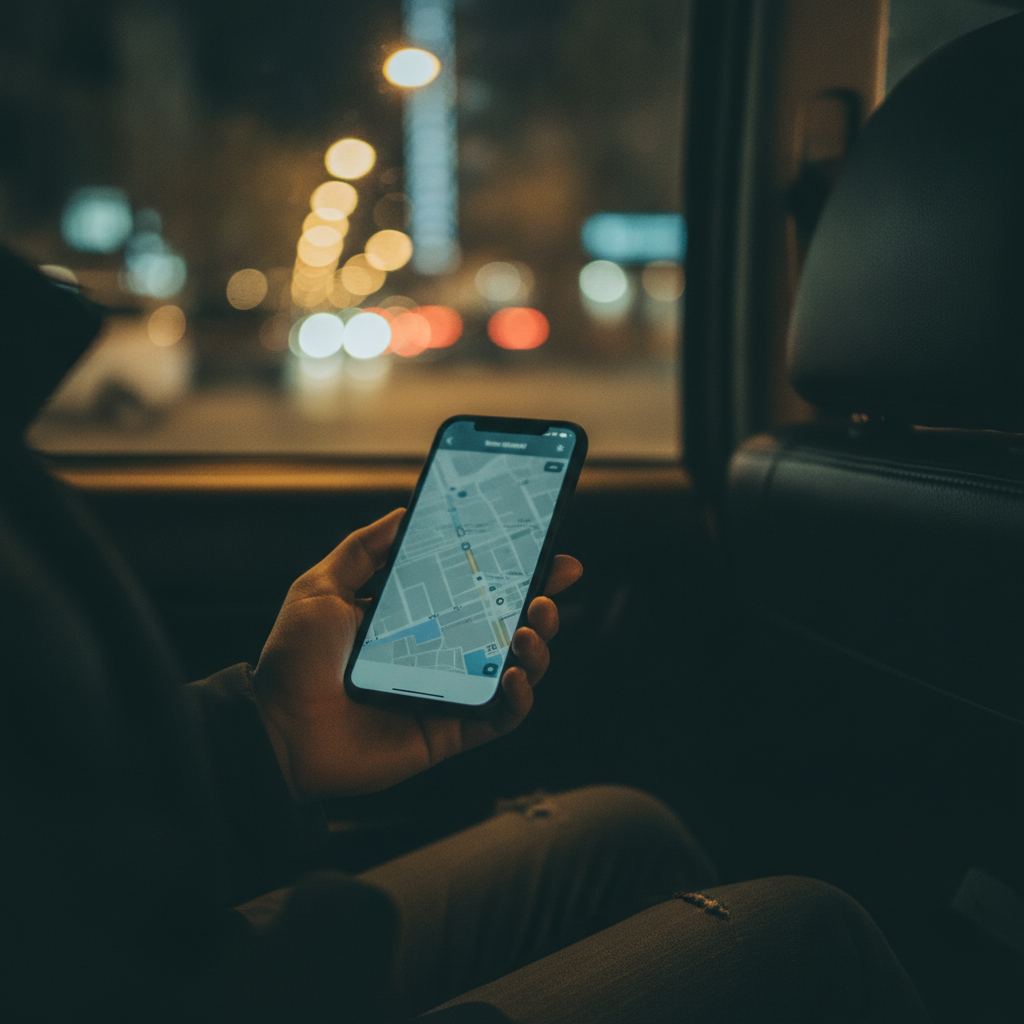
Stepping off the airport limousine bus, you park your suitcase and pull out your phone. You download the app you'd read about in every review, ready to register the foreign-issued credit card you packed alongside your passport. You type in the card number, the expiry date, hit confirm — and instead of a payment method appearing, a red error message does. You try again. You try a different card. Same result.
It sounds like a small thing, but this moment tends to unsettle people more than expected. The light outside is fading, the next part of the itinerary has a fixed time attached to it, and there's no one obvious nearby to ask. When the one app you were counting on to move you refuses to cooperate, the whole trip can suddenly feel like it's wobbling — because this app was supposed to be the first step of getting anywhere.
Travelers wrestle with this exact screen every day, whether standing at a taxi stand or sitting on a hotel lobby sofa. The sound of suitcase wheels on pavement, a driver rolling down the window to ask where you're headed, the sudden realization that your phone battery has dropped to fifteen percent — all of it can pile up at once. The registration screen keeps loading, the next passenger is waiting, and the payment method is still undecided.
What makes this genuinely frustrating is that the cause is invisible. The card isn't faulty, and the user hasn't typed anything wrong, yet registration keeps failing. Because there's no way to tell whether it's your mistake, the app's problem, or the card issuer's problem, people repeat the same attempt over and over — and each repetition eats further into the time they don't have.
What makes it worse is that this information rarely surfaces in pre-trip searches. App names and features flood every review site, but the fact that foreign card registration can simply fail — and what to do when it does — is almost never mentioned. So the problem always appears on the ground, at the exact moment there's least room to handle it calmly.
Behind this lies the fact that Korean taxi-hailing apps were originally built around the domestic payment network. Their in-app payment modules are tightly integrated with domestic card-issuer systems, and when a foreign-issued card's data format or authentication process doesn't match that integration, registration gets rejected before it even begins. This isn't so much a flaw in the app as a reflection of which user base the system was designed for in the first place.
Go one layer deeper, and you find that most domestic taxi-app payment systems are optimized for repeat users — people who register a domestic card once for automatic billing and ride repeatedly. Supporting foreign card payment requires additional infrastructure: international card-network authentication, separate security standards, currency conversion handling. Not every app invests equally in building that out. The result is a gap where some apps work for foreign cards and others don't — and travelers end up discovering that gap firsthand, usually at the worst possible moment.
The moment the app rejects your card, the problem isn't the card — it's how the system was designed.
So what do you actually do in that moment?
- Before retrying registration multiple times, first check whether the taxi accepts on-the-spot payment — card terminal or cash. Most Korean taxis have a card terminal near the back or front passenger seat, and paying directly at drop-off remains a widely available option.
- If you haven't boarded yet, the surest move is simply asking the driver, or showing a translation-app screen with a question like "Can I pay by card?" Nearly all private and corporate taxis carry card terminals, but a rare few take cash only, so it's worth keeping a small amount of cash on hand as backup.
- There's no need to abandon app registration entirely, but if you need to move right now, don't burn time troubleshooting — flag down an available taxi on the street or use one waiting at a taxi stand instead. The app can wait until you're back at the hotel, with stable wifi and no clock running against you.
- If you genuinely need the app (say, calling a taxi late at night or in a remote area), consider picking up a prepaid transit card or a locally issued simple-payment method after arrival — these are often available at convenience stores or telecom kiosks inside the airport, so it's worth checking right after you land.
- Finally, always visually confirm the payment went through right after getting out — ask for a receipt or check the terminal screen for an approval message. This small habit saves you from anxiously scanning your card statement later, wondering about double charges or missed payments.
What that traveler at the limousine stop actually needed wasn't a flawless app — it was knowing the next move the instant registration failed. The app is just one tool among several for getting around; it is not the movement itself. Trade the minutes spent staring at an error message for the few seconds it takes to raise a hand and flag a cab, and the day finds its pace again.
Getting to or from the airport?
You can request a pickup or drop-off between Incheon or Gimpo airport and Seoul or nearby areas. We confirm the vehicle and price first.
About Airport Transfer