TRAVEL NOTES / NO. 082
TUESDAY, NOVEMBER 3, 2026
Korea Travel · 3 MIN READ13
Korea in Winter: Heavy Coats, Gloves and Non-Slip Shoes Are Essential
With average winter temperatures hovering around zero and frequent subzero days, a heavy coat, gloves, a scarf and non-slip shoes are the basic gear for a safe winter trip.
By Find to Send Editorial
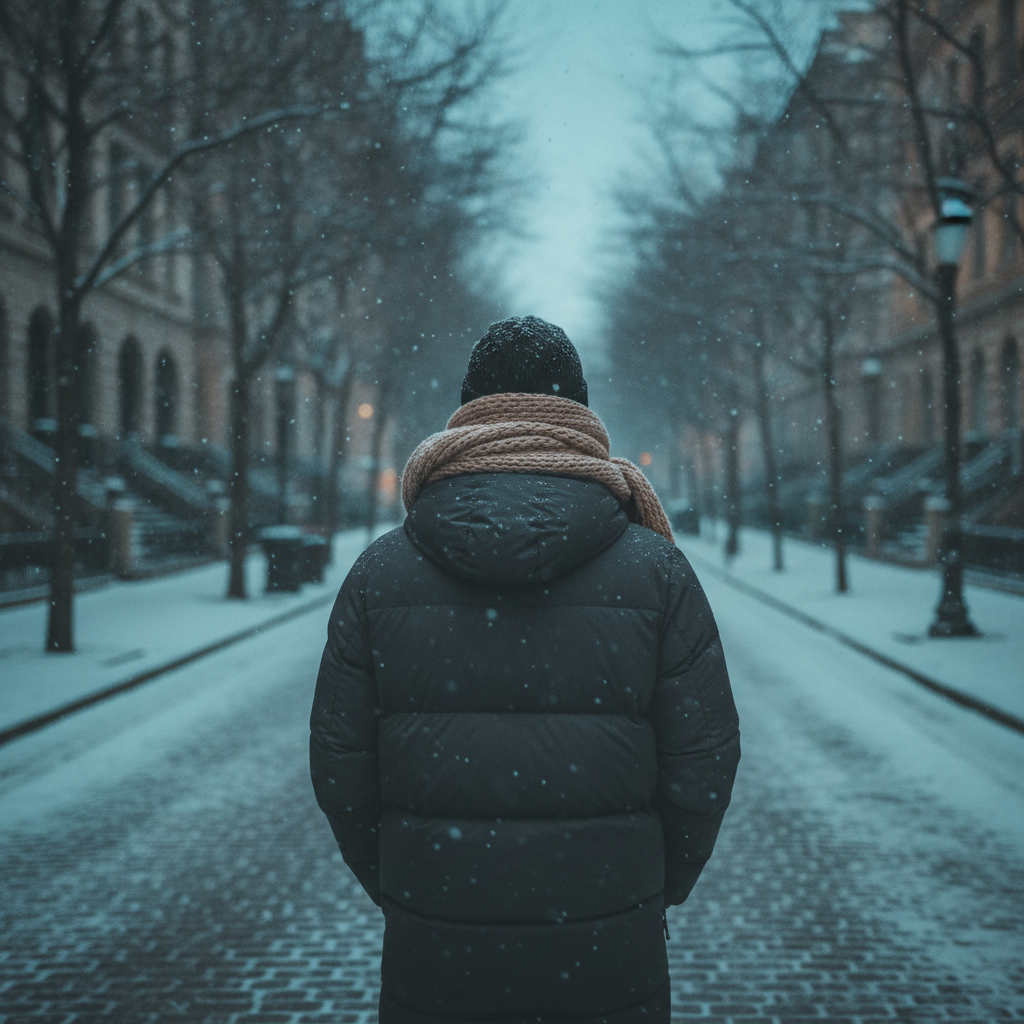
Average winter temperatures in Korea hover around zero and frequently dip below freezing. Travelers are advised to pack a heavy winter jacket, gloves, a scarf and non-slip shoes suitable for walking on snowy streets before heading out.
The reason this matters is straightforward: cold, dry weather persists from December through February. Outside the islands, regional differences are described as not large, but there is a gap between Seoul and Busan.
Seoul versus Busan
Seoul's average monthly low temperatures are minus 3.4 degrees Celsius in December, minus 5.5 in January and minus 3.2 in February, while average highs reach only 4.2, 2.1 and 5.1 degrees respectively. Busan stays consistently warmer, with average lows of 2 degrees in December, minus 0.1 in January and 1.5 in February. Travelers splitting a trip between the two cities should pack heavier clothing for the Seoul leg.
Basic winter clothing
A thick outer layer should always be worn in winter. A winter jacket, gloves and a scarf are considered basic items, and shoes with non-slip soles are recommended given the possibility of walking on snow-covered streets. Seoul residents are reportedly known to layer a thick scarf over a padded jacket to cope with the cold.
What drives the cold, and the extremes
The winter chill is attributed to winds blowing in from Siberia, bringing cold, dry conditions and occasional heavy snow. According to one city tourism site, temperatures can drop as low as minus 15 degrees Celsius and the Han River has been known to freeze over, though this account is unofficial and the timing involved could not be confirmed. That figure is best treated as an extreme possible scenario during a severe cold snap rather than a typical reading.
Autumn and early spring layering
Autumn, from September through November, sees large temperature swings, and light layered clothing or a jacket and coat are recommended, with average autumn temperatures around 15 degrees. In early March, mornings and evenings turn cold enough to warrant a light jacket or trench coat. Travelers visiting during the tail end of winter or a seasonal transition may find layered clothing more flexible than a single heavy coat.
The core takeaway for a winter trip to Korea is not to underestimate cold-weather gear. With temperatures regularly dropping below freezing, checking outerwear and footwear against the specific destination and itinerary is a sound starting point for a safe trip.
Sources: Korea Tourism Organization VisitKorea climate guide (updated 2026-09-18), Seoul city guide, Seoul medical tourism website. Information is current as of early November 2026, may change, and should be confirmed before travel.
Read next
OCT 31, 2026 · Korea Travel
Korea's 2026 Fall Foliage to Peak Nationwide in Late October, With Southern Regions Lagging Weeks Behind
OCT 30, 2026 · Korea Travel
Gyeongbokgung Admits Hanbok Wearers Free — But Full Outfit Required
OCT 29, 2026 · Korea Travel